How To Make Hiking More Enjoyable For Beginners In 10 Simple Ways
Author:Mike Fakunle
|
Released:October 13, 2025
Hiking for beginners can feel rough at first, even on short walks. If the goal is to make hiking more enjoyable, it helps to know what usually goes wrong and how to fix it fast.
The best beginner hiking tips focus on comfort, pacing, and smart choices before the hike starts. With the right plan, hiking for beginners can feel calm, safe, and fun on easy hiking trails.
Why Hiking Often Feels Hard For Beginners At First
Unrealistic Expectations About Distance And Difficulty
Many people think a hike is just a longer walk. But hills, rocks, heat, and uneven ground change everything. Hiking for beginners often feels harder because trail difficulty is judged by distance only. A short route with steep climbs can feel tougher than a longer flat path on easy hiking trails.
Poor Preparation And Wrong Gear Choices
Small mistakes can ruin a hike quickly. Not bringing enough water, wearing cotton in hot weather, or using old shoes can cause pain. Hiking gear for beginners should support comfort, not style. When gear is wrong, it becomes harder to make hiking more enjoyable.
Physical Discomfort That Ruins The Experience
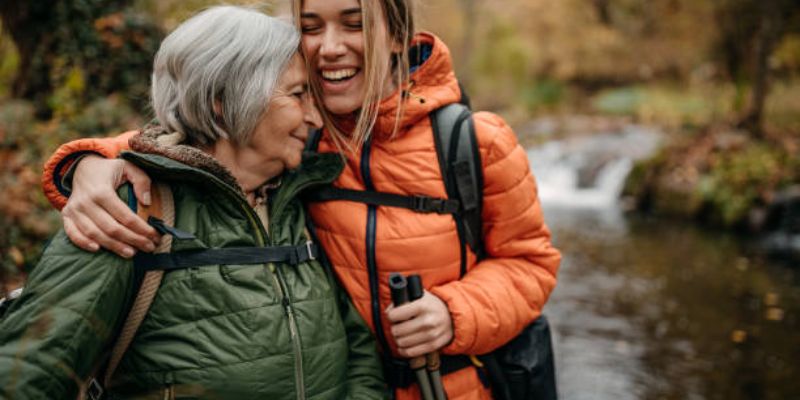
Sore feet, rubbing skin, and tight shoulders are common at the start. These problems often come from poor fit, heavy bags, or moving too fast. Hiking for beginners improves a lot when discomfort is reduced early. Comfort helps the mind relax and enjoy the outdoors.
Fear Of Getting Lost Or Falling Behind
Worry makes hiking feel stressful. Beginners may rush so they do not slow others down, which causes faster fatigue. Beginner hiking tips usually work best when the pace matches the slowest person. That steady approach helps make hiking more enjoyable and safer.
How To Make Hiking More Enjoyable For Beginners Before The Hike
Choosing Beginner Friendly Hiking Trails
Start with easy hiking trails that are well-marked and not too long. A simple goal is 3 to 6 kilometers with low elevation gain. Look for routes with clear start and end points, and a surface that is not too rocky. Hiking for beginners is easier when the trail feels predictable.
Picking The Right Time And Weather Conditions
Mild weather can change everything. Cooler mornings reduce sweating and make climbs easier. Avoid hiking in extreme heat, heavy rain, or strong wind. Planning around weather is one of the most helpful beginner hiking tips. It also helps make hiking more enjoyable because the body works less to stay comfortable.
Setting Realistic Hiking Goals For First Timers
A good goal is finishing feeling okay, not finishing fast. Decide on a simple target such as reaching a viewpoint, completing a loop, or hiking for one hour. Hiking for beginners goes better when goals focus on comfort. This mindset makes it easier to make hiking more enjoyable on future trips.
What To Eat And Drink Before Hiking
Eat a simple meal with carbs and protein, and drink water before starting. Heavy or greasy foods can make people feel sick on hills. Carry water and take small sips early, not only when thirsty. These beginner hiking tips support steady energy and reduce headaches, which helps make hiking more enjoyable.
Essential Hiking Gear Beginners Actually Need
Footwear That Prevents Pain And Blisters
Foot pain ends hikes early. Choose shoes that fit well, grip the ground, and feel stable on slopes. Break them in before a longer hike. Hiking gear for beginners should solve problems, and shoes are the top priority. Good socks also matter because they reduce rubbing.
Clothing Choices That Improve Comfort
Wear breathable clothes that dry fast and do not rub. Bring a light layer even if it seems warm, because weather can change. Dressing in layers is one of the simplest beginner hiking tips. It helps hiking for beginners stay comfortable on shaded paths, windy ridges, or cooler mornings.
Small Backpack Essentials That Matter
Keep it simple: water, snacks, a small first aid item, a phone, and a way to track the route. A heavy pack makes shoulders sore and slows the pace. Hiking gear for beginners works best when it is light and useful. Less weight makes it easier to make hiking more enjoyable.
Optional Items That Increase Enjoyment
Some extras can improve comfort without adding too much weight. Trekking poles can help knees on downhill. Sunscreen helps on open trails. A hat or sunglasses can reduce glare. These small upgrades can help hiking for beginners feel smoother, especially on longer easy hiking trails.

How To Make Hiking More Enjoyable For Beginners During The Hike
Pacing Strategies That Prevent Early Fatigue
Start slower than feels needed. Many beginners move too fast in the first 10 minutes and get tired early. A steady pace keeps breathing calm and legs strong. This is one of the most important beginner hiking tips for hiking for beginners. It also helps make hiking more enjoyable because the hike feels controlled.
How Often To Take Breaks And Why It Matters
Short breaks help more than long stops. Pause every 20 to 30 minutes for a quick drink and a few deep breaths. Sitting too long can make legs stiff. Hiking for beginners feels easier when breaks are planned, not forced. That rhythm helps make hiking more enjoyable.
Simple Breathing Techniques For Steady Energy
Use deep, slow breaths on climbs. Inhale through the nose when possible and exhale fully. This reduces panic breathing and keeps effort steady. Beginner hiking tips often forget breathing, but it matters. Calm breathing makes hiking for beginners feel less scary on hills.
Staying Motivated When The Trail Feels Long
Focus on small wins. Aim for the next bend, the next shade spot, or the next viewpoint. Noticing trees, birds, and trail sounds can lift mood. Many people make hiking more enjoyable by paying attention to the moment, not the remaining distance.
Common Beginner Mistakes That Make Hiking Less Enjoyable
Starting With Trails That Are Too Challenging
Some routes look easy online but feel tough in real life. Steep climbs, loose rocks, and strong sun add difficulty. Stick with easy hiking trails until the body adapts. Hiking for beginners should build confidence first, and that makes hiking more enjoyable over time.
Ignoring Body Signals And Pushing Too Hard
Sharp pain, dizziness, and nausea are warning signs. Slow down, drink water, and rest in shade. Beginner hiking tips are not about pushing through everything. Hiking for beginners improves faster when the body is respected. That care helps make hiking more enjoyable and safer.
Carrying Too Much Or Too Little Gear
Overpacking adds strain, but underpacking adds stress. A good balance is water, snacks, and simple basics. Hiking gear for beginners should be practical and light. When the pack feels easy to carry, it is easier to make hiking more enjoyable and keep a steady pace.
Comparing Speed And Performance With Others
New hikers sometimes feel pressured to keep up. That pressure leads to rushing and early fatigue. Everyone has a different pace, and that is normal. Hiking for beginners works best when the hike matches personal comfort, even on easy hiking trails.
How To Stay Safe Without Feeling Anxious On Trails
Basic Trail Navigation For Beginners
Choose routes with clear signs and a simple map view on a phone. Tell someone where the hike will be. Many beginners feel calmer when they check park rules and trail updates before leaving, because that information is usually easy to find on park rules and trail updates. Feeling prepared helps make hiking more enjoyable.
What To Do If Energy Drops Mid Hike
Stop in shade, drink water, and eat a small snack. Then restart slowly. Energy drops are common in hiking for beginners, especially when breakfast is too light. One of the best beginner hiking tips is to snack early. That keeps hiking more enjoyable and reduces mood crashes.
Handling Minor Issues Without Panic
Treat small problems early. Hot spots on feet can become blisters if ignored. A small bandage or tape can help. If heat is a concern, following basic heat and hydration guidance can reduce risk during warmer walks on basic heat and hydration guidance. Calm actions build confidence for hiking for beginners.

Ways To Make Hiking More Enjoyable Mentally And Emotionally
Using Mindfulness To Enjoy The Outdoors
Try a simple habit: notice five things you can see and three things you can hear. This pulls attention away from tired legs. Hiking for beginners becomes more relaxing when the mind is present. Mindfulness can make hiking more enjoyable even on short easy hiking trails.
Hiking Alone Versus Hiking With Others
Group hikes can feel safer and more social. Solo hikes can feel peaceful and help independence. Choose what feels best right now. Beginner hiking tips often suggest starting with a partner for confidence, then trying short solo walks later. Either way can make hiking more enjoyable.
Turning Hiking Into A Relaxing Habit
Keep the early hikes simple and repeatable. A familiar trail reduces stress and builds skill faster. It also helps hiking for beginners feel predictable. Many people find that simple gear fitting advice makes comfort easier over time when planning routines around simple gear fitting advice.
How To Make Hiking More Enjoyable For Beginners Over Time
Building Strength And Endurance Gradually
Progress should be small. Add a little distance or a little elevation once the current hike feels easy. Hiking for beginners improves quickly with steady practice. This gradual method is one of the strongest beginner hiking tips, and it helps make hiking more enjoyable without burnout.
Tracking Progress Without Stress
Track simple things, not just distance. Notice if breathing feels easier, if feet hurt less, or if recovery is faster the next day. These signs show growth. Hiking for beginners should feel better month by month, even if the trail stays the same.
Knowing When To Increase Trail Difficulty
Move up only when easy hiking trails feel truly comfortable. If a hike leaves the body sore for days, it was too much. The right next step should feel challenging but safe. That smart pace makes hiking more enjoyable and keeps motivation strong.
How To Make Hiking More Enjoyable For Beginners And Stick With It
Creating A Simple Routine That Feels Sustainable
Pick one day each week for a short hike. Keep it light and consistent. Hiking for beginners becomes easier when it is part of normal life. A simple routine also makes hiking more enjoyable because planning feels effortless.
Keeping Hiking Fun Instead Of Turning It Into A Chore
Choose trails that feel rewarding, not punishing. Take photos, stop for views, and celebrate small progress. When the focus stays on comfort and enjoyment, it becomes easier to make hiking more enjoyable each time. Over time, beginner hiking tips become natural habits on easy hiking trails.
Sources
Related Posts
Outdoor Gear
Outdoor Hiking in Winter: How to Pick the Right Insulated Jacket
Outdoor Gear
Top Down Jackets for Winter Travel and Outdoor Use
Outdoor Gear
Best Waterproof Jackets for Heavy Rain, Wind, and Long Days Outside

Activities
15 Things First-Time Hikers Get Wrong Before Their First Hike

Activities
How To Safely Cross Rivers While Hiking With 9 Simple Safety Checks
Destinations