15 Things First-Time Hikers Get Wrong Before Their First Hike
Author:Mike Fakunle
|
Released:October 17, 2025
First-time hikers often feel excited and confident before hitting a trail. Many hiking mistakes happen because beginners assume hiking is simple and requires little planning.
Small errors can lead to sore feet, low energy, or safety problems. These common hiking mistakes are easy to avoid once they are understood. Below are the hiking tips beginners need to enjoy safer, easier, and more comfortable outdoor adventures.
Thinking Hiking Is Just Walking Outside
How Trail Terrain Changes Everything
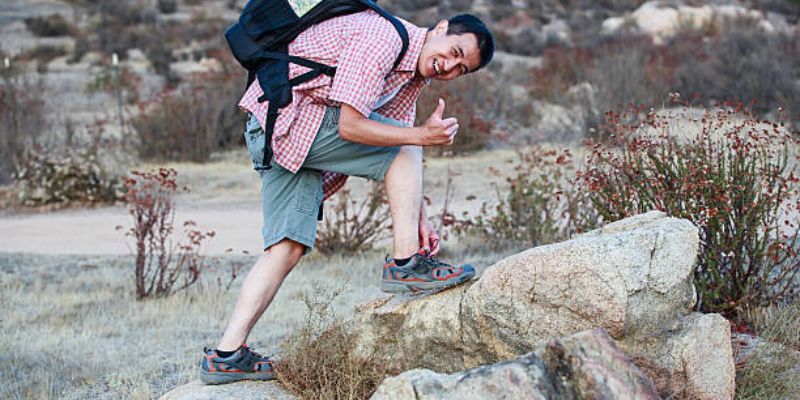
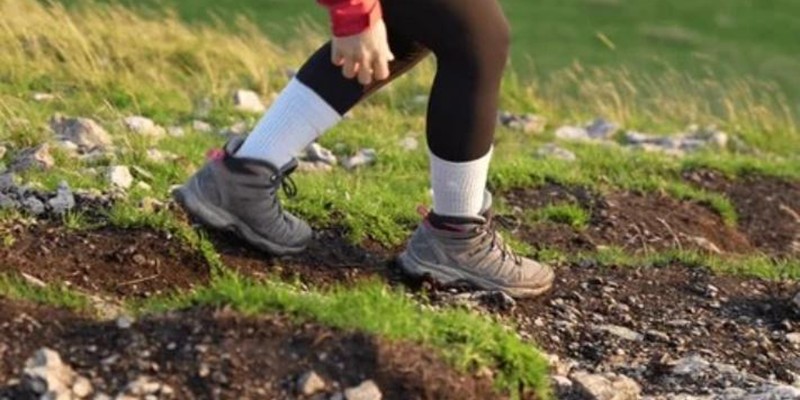
Hiking trails are uneven, rocky, and sometimes steep. First-time hikers often forget that dirt, roots, and loose gravel change how the body moves. Balance and foot placement matter much more than on sidewalks, which increases fatigue faster than expected.
Why Uneven Ground Uses Different Muscles
Hiking activates stabilizer muscles in the legs and core. These muscles are rarely used during normal walking. Beginner hikers often feel sore afterward, thinking something went wrong, when it is simply the body adapting to new movement.
Choosing the Wrong Trail for a First Hike
Distance Versus Elevation Confusion
Many hiking mistakes happen when beginners focus only on miles. Elevation gain matters more. A short trail with steep climbs can feel harder than a longer flat hike, especially for first-time hikers.
Why Loop Trails Are Easier Than Out-and-Back Routes
Loop trails prevent mental fatigue caused by retracing steps. Beginner hikers often enjoy loop trails more because scenery changes and pacing feels more natural.
Ignoring Weather Beyond the Forecast
How Weather Changes at Higher Elevation
Weather shifts quickly on trails. Wind, fog, and sudden rain are common. First-time hikers who only check city forecasts often get caught unprepared, leading to discomfort or early turnarounds.
Why Wind, Sun, and Shade Matter More Than Temperature
Direct sun and wind exposure affect body temperature more than numbers on a forecast. According to widely shared outdoor safety guidance found across park planning resources, sun and wind increase dehydration risk during hikes.
Wearing the Wrong Shoes
Why Running Shoes Often Fail on Trails
Running shoes lack grip and foot protection. Many hiking mistakes involve slipping or sore feet caused by thin soles and poor traction on uneven ground.
When Hiking Shoes or Boots Are Necessary
Beginner hikers benefit from hiking shoes with firm soles and toe protection. These reduce foot strain and improve balance, especially on rocky terrain.
Underestimating Water Needs
How Hiking Drains Water Faster Than Expected
Hiking increases sweat loss even in cool weather. First-time hikers often bring one bottle and regret it halfway through the trail.
Signs of Dehydration Beginners Miss
Dry mouth, headaches, and low energy appear before thirst. Outdoor hydration advice shared across public health weather guidance shows dehydration can happen quickly during physical activity.
Packing Too Much or Too Little
Common Overpacking Items That Add Unnecessary Weight
Extra clothes, large cameras, and heavy food slow hikers down. Beginner hikers often overpack due to fear, which leads to faster fatigue.
Essentials Beginners Often Forget
Water, snacks, sun protection, and basic navigation tools are often missed. These oversights cause many first-time hikers to cut hikes short.
Skipping Navigation Planning
Why Cell Service Is Unreliable on Trails
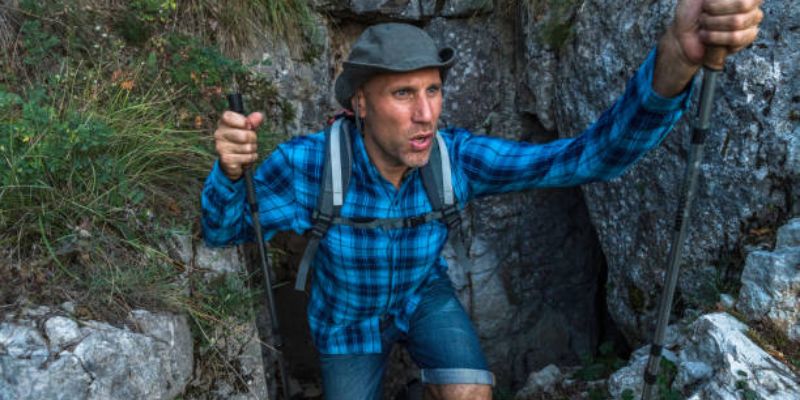
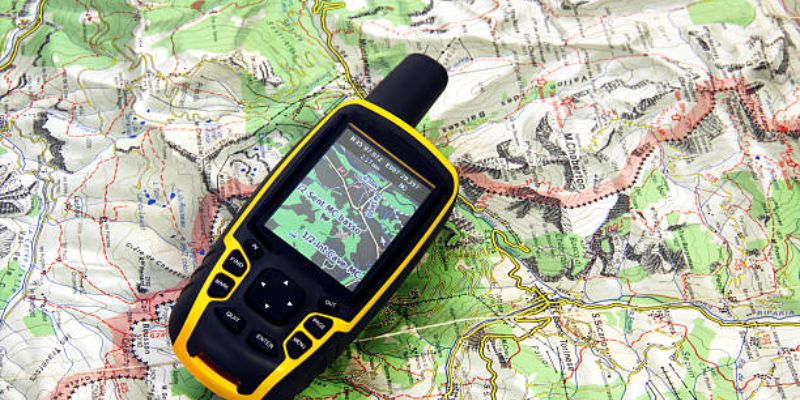
Many trails lack signal. Relying only on phones is one of the most common hiking mistakes made by beginners.
How Trail Markers and Maps Actually Work
Trail markers fade or change styles. Printed maps or downloaded offline maps prevent confusion and help beginner hikers stay on route.
Not Telling Anyone About the Hike
Why Sharing Plans Is a Safety Step
Sharing a hiking plan helps others act quickly if something goes wrong. First-time hikers often skip this simple safety habit.
What Details Matter When Informing Someone
Trail name, start time, and expected return are enough. This habit is strongly recommended across outdoor safety education spaces.
Starting Too Late in the Day
How Daylight Affects Safety and Energy
Late starts reduce daylight margin. Beginner hikers often rush back, increasing the chance of slips and poor decisions.
Why Turnaround Time Matters More Than Distance
Setting a turnaround time keeps hikes safe. Reaching the end matters less than returning before dark.
Ignoring Nutrition Before and During the Hike
Why Big Meals Can Backfire
Heavy meals cause stomach discomfort. First-time hikers often eat too much right before hiking, leading to nausea.
Simple Snacks That Prevent Energy Crashes
Light snacks with carbs and protein maintain energy. These reduce common hiking mistakes related to fatigue and dizziness.
Dressing Without Layering
How Body Temperature Changes While Hiking
The body heats during climbs and cools during breaks. Beginner hikers wearing one thick layer struggle to stay comfortable.
Why Cotton Causes Problems on Trails
Cotton traps moisture and causes chills. Synthetic or wool fabrics help regulate temperature better for first-time hikers.
Assuming Trails Are Clearly Marked
Why Trail Signs Can Be Missing
Signs fade, fall, or get damaged. Hiking mistakes happen when beginners assume trails are always obvious.
How to Recognize Being Off Trail Early
Footpaths narrowing or markers disappearing are warning signs. Noticing these early prevents longer detours.
Moving Too Fast at the Start
Why Early Pace Controls the Whole Hike
Starting fast drains energy quickly. Beginner hikers often slow down too late.
How to Find a Sustainable Rhythm
A pace that allows steady breathing helps maintain endurance and reduces soreness.
Forgetting Basic Trail Etiquette
Who Has the Right of Way
Uphill hikers usually get priority. Ignoring this causes awkward trail moments for first-time hikers.
How Behavior Affects Wildlife
Loud noise scares animals and disrupts others. Respectful behavior improves trail experiences for everyone.
Expecting the First Hike to Feel Easy
Normal Discomfort Versus Warning Pain
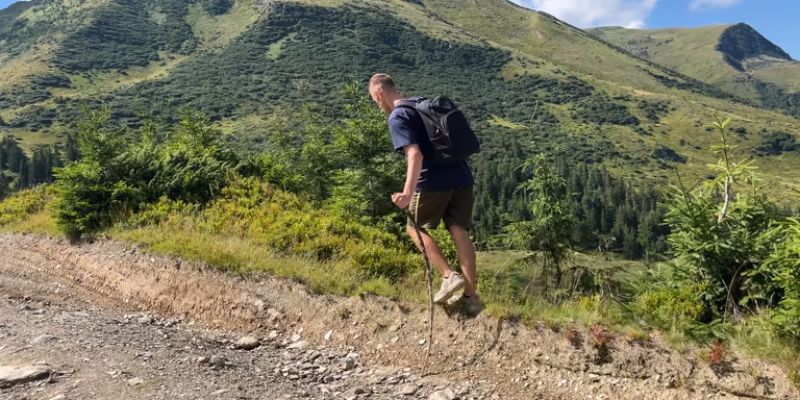
Muscle soreness is normal. Sharp pain or joint pain signals the need to stop.
Why Recovery Is Part of Hiking Success
Rest, hydration, and stretching help the body adapt. Beginner hikers improve faster when recovery is respected.
What First-Time Hikers Should Remember Before Their Next Hike
First-time hikers improve quickly by learning from early hiking mistakes. Preparation, pacing, and awareness matter more than strength. With the right hiking tips beginners can build confidence, enjoy trails safely, and turn early challenges into long-term outdoor enjoyment.
Sources
Related Posts
Guides and Tips
Best Hiking Shoes for Comfort, Grip, and All-Day Support

Guides and Tips
How To Stay Energized During A Long Mountain Hike
Guides and Tips
How To Descend Steep Trails Without Destroying Your Knees

Guides and Tips
What To Pack For A Half-Day Hike Without Overpacking
Guides and Tips
Top Hiking GPS Devices for Navigation That Actually Work on Real Trails

Activities