Top Winter Hiking Trails in Canada: 11 Scenic Routes to Try This Season
Author:Mike Fakunle
|
Released:October 7, 2025
Winter hiking trails in Canada draw many visitors because the cold season turns forests, lakes, and mountains into calm, bright spaces. These paths give wide views, soft snow, and quiet walks that feel different from summer routes and show some of the best winter hikes in the country.
Things You Need to Know About Winter Hiking in Canada
Winter hiking trails bring cold winds, deep snow, and short daylight hours. These features can be exciting and also require good planning so trips stay safe and fun.
What Makes Winter Hiking Unique
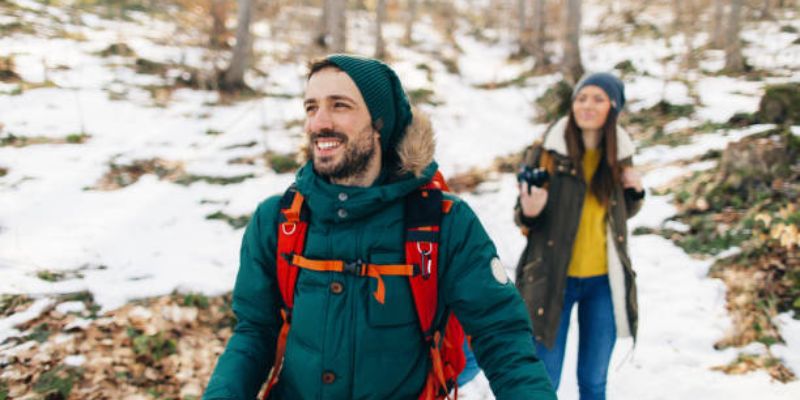
Snow makes paths smooth and bright, while frozen ground changes how feet grip the surface. These changes make winter travel in Canada feel very different from warm-weather trips across common Canadian hiking areas.
Who These Trails Are Suitable For
Many winter hiking trails work well for beginners, families, and regular hikers. Some high routes need stronger skills because deep snow and steep turns can slow movement on snow hiking routes.
Key Things To Know Before Choosing a Trail
Check trail reports, changing weather, and daylight hours before leaving home. These steps help match winter travel in Canada plans with the right level of challenge on the best winter hikes.
Top Winter Hiking Trails in Canada (Beginner-Friendly Options)
Beginner trails are great for first winter travel in Canada. These routes focus on safe footing, clear signs, and short distances while still feeling like real adventures on winter hiking trails.
Johnston Canyon Trail, Alberta (Banff)
This trail has frozen waterfalls, canyon walls, and steady walkways above the river. Light traction gear helps on corners, and the smooth path makes it one of the best winter hikes for new visitors.
Lake Louise Lakeshore Trail, Alberta
The trail stays flat and follows the edge of the frozen lake with open views. This simple Canada hiking route works well for family groups who want easy snow hiking routes and bright photos.
Goldstream Railway Trestle Trail, British Columbia
Cool coastal air makes this route milder than many mountain winter hiking trails. The gentle climb and forest views help new hikers build confidence on snow hiking routes without long travel times.
Mont Tremblant National Park Trails, Quebec
Short loops wind through thick forest and small hills. These paths are often listed among the best winter hikes in the region because they mix soft snow, calm woods, and easy winter travel in Canada.
Top Winter Hiking Trails in Canada (Intermediate Routes)
Intermediate trails suit hikers who know winter basics and want longer Canada hiking days. These routes add steeper climbs, deeper snow, and wider views while still staying reachable with good planning.
Garibaldi Lake Trail, British Columbia
Deep snow and steady climbing make this a strong step up from easy winter hiking trails. Many hikers follow national safety advice about storms and snowpack before walking, which improves winter travel in Canada.
Skyline Trail (Winter Section), Nova Scotia
The path sits above coastal cliffs and gives long ocean views in clear weather. Strong winds can build drifts, so this trail feels like one of the best winter hikes for people used to snow hiking routes.
Kananaskis Trails, Alberta
This region has many snow hiking routes of medium difficulty that pass through forests, ridges, and frozen lakes. Reports help hikers pick winter hiking trails with the right distance and elevation for each Canadian hiking day.
Top Winter Hiking Trails in Canada (Advanced and High-Skill Routes)
Advanced routes demand stronger fitness, solid gear, and serious planning. These winter hiking trails sit in remote zones, where storms and cold can come fast and shape tough winter travel in Canada.
The Rockwall Trail, British Columbia
Winter conditions make this long route very demanding with deep snow and steep slopes. Only experienced groups should try these snow hiking routes because rescue can take time, and weather changes quickly.
Jasper Skyline (Winter Variant), Alberta
This trail sits at a higher elevation and stays colder than many other Canadian hiking areas. It is not one of the best winter hikes for beginners because backcountry travel brings long distances, wind, and drifting snow.
Gros Morne National Park Backcountry, Newfoundland
Large open spaces and fast storms make this area one of the hardest winter hiking trails. Good navigation skills and warm layers are needed on these remote snow hiking routes far from towns and roads.
How To Choose the Right Winter Trail
Choosing the right trail helps every Canadian hiking day feel safe and enjoyable. Matching skill level with winter hiking trails avoids stress and rushed choices on cold mornings during winter travel in Canada.
Matching Trail Difficulty With Your Skill Level
Short and packed trails work well for slow, steady pacing and first-time snow hiking routes. Steeper climbs and backcountry paths suit people who have practiced on the best winter hikes and understand cold-weather risks.
Considering Weather, Distance, and Elevation
Cold days, blowing snow, and wind exposure change how far people can walk. Longer winter hiking trails should match daylight hours, forecast details, and comfort with higher snow hiking routes that cross open slopes.
Checking Real-Time Trail Reports and Safety Alerts
Parks often share notes online about snow depths, icy turns, and wildlife. Using official trail information as a base for winter travel in Canada helps hikers choose winter hiking trails that fit real ground conditions.
Winter Hiking Gear You Must Have
Good gear supports safe Canada hiking days in the snow. The right clothing, footwear, and tools make winter hiking trails feel easier and less stressful.
Clothing Layers and Insulation
Warm layers trap heat and keep cold wind out. A base layer, soft mid layer, and windproof shell work well for most snow hiking routes and many of the best winter hikes.
Footwear, Crampons, and Microspikes
Strong boots help grip snow, while spikes add secure footing on icy patches along winter hiking trails. Some Canadian hiking routes feel unsafe without extra traction, especially on steep snow hiking routes with packed surfaces.
Navigation Tools and Safety Kits
A map, compass, and fully charged phone help prevent wrong turns in low light. Small kits with bandages, hand warmers, and lights improve safety on winter hiking trails and during any winter travel in Canada.
Food, Water, and Thermal Supplies
Warm drinks and high-energy snacks help keep the body ready for cold climbs. Many snow hiking routes have no water sources, so carrying enough in insulated bottles matters on the best winter hikes.
Safety Tips for Winter Hiking in Canada
Safety steps should guide every Canadian hiking trip in winter. These tips work across most winter hiking trails and support stronger winter travel in Canada.
Managing Frostbite and Hypothermia Risks
Cold skin, numb fingers, and shivering can signal frostbite or hypothermia. Covering exposed skin and moving often helps avoid these problems on snow hiking routes and long days on the best winter hikes.
Understanding Avalanche-Prone Areas
Some high Canadian hiking routes pass under steep slopes that may slide after storms. Reading trusted avalanche basics and local notices reduces risk on winter hiking trails and helps shape safer winter travel in Canada.
Preparing Emergency Plans and Backup Options
Telling someone about the planned trail and time of return adds safety. Backups help when winter hiking trails close or storms arrive, and they guide changes to snow hiking routes if plans no longer feel safe.
How To Stay Visible in Low-Light Conditions
Reflective gear, bright jackets, and working headlamps help others see hikers on snow-covered paths. This matters on busy winter hiking trails and shared Canadian hiking spaces where people still chase the best winter hikes near dusk.
Why Canada’s Top Winter Hiking Trails Are Worth Exploring
Winter hiking trails in Canada offer quiet forests, bright snow, and calm lakes that feel different from any other season. With safe planning, good gear, and awareness of snow hiking routes, hikers can enjoy winter travel in Canada and return from some of the best winter hikes with lasting memories.
Sources
Related Posts
Activities
Glacier Hiking In Chile: Why You Must Go Before The Routes Shift
Outdoor Gear
Hiking Sock Materials Compared: Merino Wool Vs Synthetic Blends
Outdoor Gear
Water Filter vs Purifier for Hiking: Which One Do You Actually Need
Outdoor Gear
How to Use Trekking Poles: Techniques, Tips, and Terrain Adjustments
Guides and Tips
Sunscreen While Hiking: The Right Way to Protect Your Skin Outdoors
Destinations