Glacier Hiking In Chile: Why You Must Go Before The Routes Shift
Author:Tooba
|
Released:March 22, 2026
Glacier hiking in Chile is one of those activities that sounds simple when you book it, then feels much more demanding once you are standing on loose rock with wind coming off the ice. The routes are changing, access points are getting longer, and some classic areas now close with little warning.
If you're thinking about spending serious money on a guided ice trek, don't just ask if it's beautiful. Ask if your budget, knees, schedule, and tolerance for bad weather can handle it.
Chilean Glacier Hiking Is Not A Casual Add-On
Chile’s glacier trips are spread across huge distances. Grey Glacier sits inside Torres del Paine National Park, reached through Puerto Natales and park transport. Exploradores Glacier lies far north along the Carretera Austral, near Puerto Río Tranquilo. San Rafael Glacier is usually seen by boat through Laguna San Rafael National Park, with departures often linked to Puerto Chacabuco.
This distance changes your planning: each glacier region is its own trip, not part of one big itinerary. You can't treat these glacier trips like a quick city outing. Weather delays, ferry schedules, road conditions, and park entry rules affect the day as much as the guide company does.
Before paying, check official park notices through CONAF and weather forecasts through Dirección Meteorológica de Chile or Windy, especially if your route involves a boat crossing.
Grey Glacier Ice Trekking, The Big-Ticket Option In Torres Del Paine
Grey Glacier is the most practical choice for many travelers because it fits into a Torres del Paine itinerary. And it's the route where people most often underestimate the physical work. The day usually starts with transport across the park, a boat section or trail access depending on your itinerary, then a rocky approach before the crampons even go on.
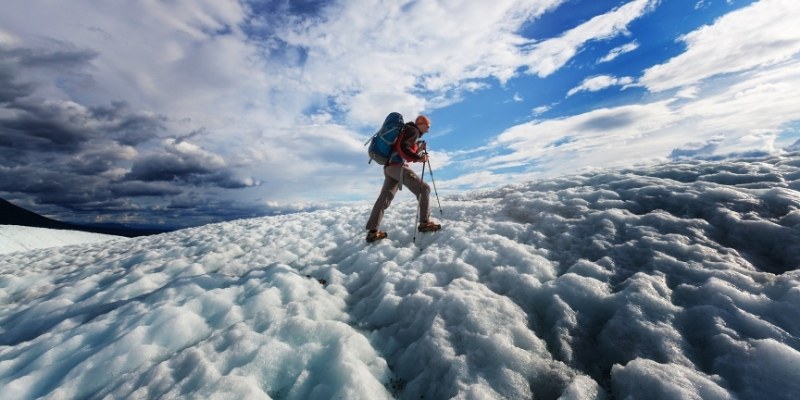
On the glacier, you walk across deep blue crevasses, compressed snow ridges, and melt channels. You get a sense of scale that a viewpoint can't fully give you. It is not a gentle walk. The approach can involve uneven moraine, ladders, slick rock, and sections where you need to place each foot carefully. Once on the glacier, crampons change your walking pattern. Your calves, ankles, and hips work harder than they would on a standard hike.
Typical Grey Glacier ice trekking costs often fall around 220,000 to 280,000 CLP per person, depending on operator, season, and included equipment. Most people overspend not on the trek itself, but on the logistics around it. Park entry, transport from Puerto Natales, boat tickets, food inside the park, and extra nights near Torres del Paine can raise the real cost quickly. If you are comparing prices, do not compare only tour labels. Compare the full day cost.
Grey is worth prioritizing if you are already visiting Torres del Paine, have a decent fitness base, and want the feeling of walking on active ice rather than only photographing it. It is not ideal for travelers with unstable knees, poor balance, or a tight one-day schedule that cannot absorb wind delays.
The Cheaper Grey Glacier Alternative That Still Delivers
If your budget is tighter, skip the crampon trek and use the public viewpoints instead. The trail toward Grey viewpoints and suspension bridges gives wide views of the glacier face, the lake, floating ice, and the Southern Patagonian Ice Field beyond. You lose the close-up texture of walking on ice, but you gain flexibility and spend far less.
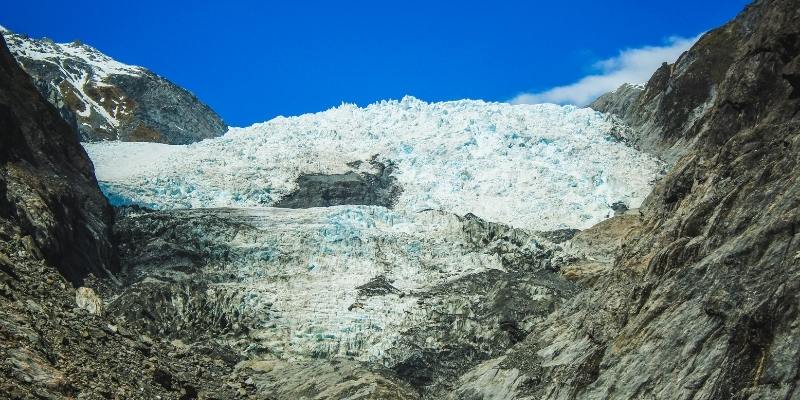
This self-guided version suits travelers who want strong scenery without paying premium guide rates. It also works better for photographers who prefer time to wait for light instead of moving in a guided line. You still need proper layers, snacks, and realistic timing, since Patagonian wind can make even a standard trail feel draining.
| Hotel |
Best Use |
Main Trade-Off |
Book Early For |
Hotel |
| Radisson Blu Polar Hotel |
Central Svalbard base |
High local costs |
Flights and rooms |
Radisson Blu Polar Hotel |
| Funken Lodge |
Elevated Svalbard views |
Uphill location |
Rental car access |
Funken Lodge |
| Sommarøy Arctic Hotel |
Open western horizon |
Fog risk |
Ocean-facing rooms |
Sommarøy Arctic Hotel |
| Clarion Hotel The Edge |
Flexible Tromsø base |
City light pollution |
Tour pickups |
Clarion Hotel The Edge |
Routes Are Shifting, So Flexibility Is Part Of The Price
Exploradores Glacier shows why timing matters. This area has been a favorite for travelers wanting a wilder, less packaged Patagonian ice experience, but access has become less predictable. Glacier recession, unstable moraines, meltwater movement, and safety closures can alter or stop routes. That does not make the region less worthwhile. It does mean you should not build your entire Chile trip around one fixed ice day there.
The Carretera Austral rewards travelers who can pivot. If a glacier trek is closed, you may still have marble caves, forest hikes, river valleys, lake viewpoints, and short walks near Puerto Río Tranquilo. Renting a vehicle gives you the best control, though costs rise with insurance, fuel, and one-way drop-off fees. Buses exist, but they limit your ability to chase clear weather or switch plans quickly.
San Rafael Glacier, Less Hiking, More Scale
The San Rafael Glacier boat tour is the better choice if you want huge ice without technical movement. You spend a long day on the water, often around twelve hours depending on departure point and vessel type. The payoff is scale. Instead of stepping over crevasses, you watch a tidewater glacier from a boat or zodiac, with blue icebergs drifting around you.
This trip is expensive, commonly around 180,000 to 240,000 CLP or more, and it is not for everyone. If the weather closes in, the day can feel long and enclosed. If skies clear, it can be one of the most memorable low-effort glacier experiences in Chile. It works well for travelers who cannot handle steep moraine hiking but still want a dramatic ice encounter.
Book this only when you have a buffer day nearby. A single fixed day in the region leaves you exposed to rough water, low visibility, and schedule changes. For current access details, check regional operators through official tourism resources such as Chile Travel and confirm directly with the provider before paying.
When To Go, And When Crowds Get Irritating
The best time to trek Chilean glacier routes is usually late November through early March. Days are long, services run more regularly, and trail access is more reliable. January and February bring the most convenient conditions but also the highest prices and busiest guide schedules.
Morning departures often feel calmer. Winds can strengthen later in the day, and day-trippers tend to concentrate around midday. On Grey Glacier, an early slot can mean fewer people on ladders, less waiting at technical sections, and better pacing across the ice. The trade-off is colder air and harsher contrast for photos.
Shoulder dates in November or March can be excellent if you accept less predictable weather. You may get fewer people and better prices, but some transport services and operators run reduced schedules. Do not assume every summer activity runs daily outside peak weeks.
What The Activity Feels Like In Real Conditions
Glacier hiking is loud, cold, and strangely tiring. Crampons bite into the ice with a sharp crunch. Meltwater runs underfoot. Guides stop often to check safe lines, adjust helmets, and move the group around crevasses. The pace may feel slow if you are fit, or stressful if you are not used to uneven ground.
The wind is the part many travelers remember most. Even on a sunny day, cold air coming off the ice can cut through weak outerwear. You do not need to buy expensive technical clothing in Puerto Natales unless you lack basics. A practical setup is enough:
- Waterproof shell or windproof rain jacket
- Warm fleece or synthetic mid-layer
- Thermal base layer
- Gloves, hat, sunglasses, and sunscreen
- Hiking boots with ankle support
Avoid cotton layers for the trek. Once damp, they stay cold.
Where Travelers Overspend
The biggest waste is booking every piece through a third-party package without checking what is actually included. Sometimes the same glacier guide, same boat, and same park entry can cost much less when booked separately.
Use platforms like Booking.com for lodging research, Skyscanner for flight routing into Puerto Natales, Punta Arenas, or Balmaceda, and then confirm park and guide logistics directly.
Travelers also overspend on gear they will use once. Rent poles, waterproof pants, or boots if your operator offers them. Buy only items that will serve the rest of your trip.
Who Should Book, And Who Should Skip It
Book a Chile glacier hiking tour if you enjoy physical travel, can handle uncertainty, and want more than a viewpoint photo. The price feels easier to justify when you see it as a full mountain day with specialist equipment and safety support.
Skip the technical trek if you are already exhausted from the W Trek, traveling with someone who dislikes cold wind, or trying to keep costs low. In that case, choose Grey viewpoints, a shorter boat ride, or scenic drives along the Carretera Austral instead.
The smartest plan is to prioritize Grey Glacier if you want the most reliable on-ice experience, San Rafael if you want scale without strain, and Exploradores only if your itinerary has room for sudden changes. Book guides, park entry, and key transport early, but keep at least one flexible day in Patagonia. The ice is moving, the weather decides more than any itinerary, and the travelers who enjoy it most are the ones who leave enough space to adjust.
Related Posts
Outdoor Gear
Best Insulated Outerwear for Cold Weather and Outdoor Use
Guides and Tips
Best Hiking Shoes for Comfort, Grip, and All-Day Support
Outdoor Gear
Gaiters For Hiking: When You Actually Need Them and How to Choose
Guides and Tips
Ultralight Hiking Gear List for Beginners That Actually Works
Guides and Tips
Best Nutrition And Snacks For Long Hiking Trips That Keep You Moving Longer

Guides and Tips