High-Altitude Adventure: Best Guided Trekking Tours In The Himalayas
Author:Tooba
|
Released:March 15, 2026
A guided trek in the Himalayas sounds simple when you are looking at polished photos online, but the reality on the trail is far more practical. You are choosing between dust, altitude, shared teahouses, flight delays, permit rules, cold rooms, and scenery that can make the inconvenience feel completely worth it. The best Himalayan trekking tour is not always the most famous one, it is the one that matches your body, budget, patience, and tolerance for uncertainty.
Everest Base Camp: Iconic, Crowded, Expensive In Small Ways
The Everest Base Camp trek is still the route most first-time trekkers ask about, and for good reason. The landscape builds day by day, from pine forest and swinging bridges to open valleys framed by Ama Dablam, Nuptse, and Lhotse. The final stretch to Base Camp crosses uneven moraine and glacier debris, and even short uphill sections can leave first-time trekkers breathless.
A standard guided Everest Base Camp trek usually takes 12 to 14 days, depending on whether you build in enough acclimatization time. Booking with a reputable Kathmandu-based company often costs around $1,150 to $1,800 per person for guide service, porter support, permits, Lukla flights, and basic teahouse accommodation. Some overseas operators charge $4,000 or more for Everest Base Camp packages, though many still rely on local Nepali guides and logistics teams.
Where people overspend is not usually the main package. It is the trail extras. Above Namche Bazaar, everything is carried by people, yaks, or aircraft. On Everest routes, small daily expenses like charging devices, showers, Wi-Fi, and bottled water can easily add another $10 to $20 per day. Carry enough Nepalese cash, since card payments are unreliable in higher villages.
For many trekkers, the biggest frustration is how crowded the trail becomes during peak season. In October, November, April, and early May, the trail can feel more like a high-altitude walking corridor than wilderness. Suspension bridges back up behind mule trains, dining rooms fill quickly, and the best rooms disappear early. Still, if you want the classic Everest experience and can accept the traffic, the route delivers.
Use the Nepal Tourism Board for permit guidance and general route information, and check domestic flight operators such as Tara Air before planning tight Lukla connections.
Manaslu Circuit: Quieter, Tougher, More Regulated
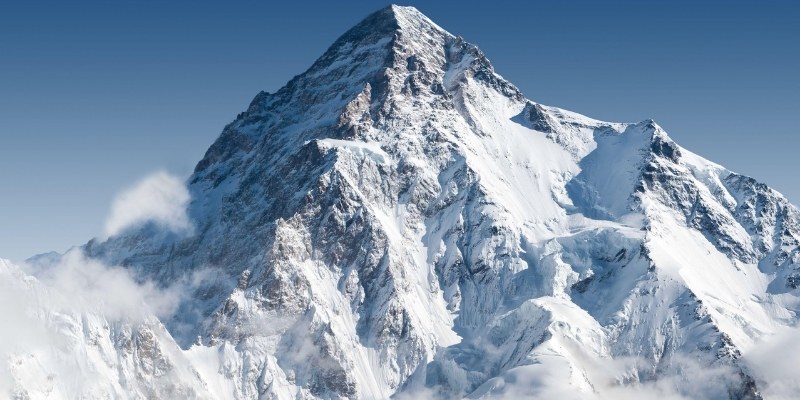
The Manaslu Circuit is better for trekkers who want remote Himalayan scenery without the traffic of Everest. The trail circles Mount Manaslu and moves through deep river valleys, forested slopes, Tibetan-influenced villages, and finally the demanding Larkya La pass at 5,160 meters.
This is not a route for last-minute solo wandering. The Manaslu region is restricted, and trekkers must travel with a licensed guide through a registered agency. A minimum group rule usually applies, and permits are more expensive than open trekking regions. During peak season, the restricted area permit costs more than in off-season months, and you must also pay for the Manaslu Conservation Area Permit and Annapurna Conservation Area Permit.
Expect a guided Manaslu Circuit trek to cost roughly $1,300 to $2,000 with a local company, depending on group size, season, porter arrangements, transport, and accommodation quality. The money feels better spent here if you dislike crowds, since the regulation keeps numbers lower.
Several Manaslu trekking days exceed 15 to 20 kilometers with steep elevation gain and limited recovery options between villages. Some days involve long climbs on rough paths, narrow ledges, cold river crossings, and basic teahouses with fewer comforts than Everest. The pass day often starts around 3 a.m., with frozen ground, headlamps, wind, and a long descent that punishes tired knees.
Manaslu suits hikers who already know they enjoy multi-day trekking. It does not suit anyone hoping for lodge luxury, frequent menu choices, or easy evacuation access. Check permit details through the Department of Immigration Nepal and choose agencies connected with the Trekking Agencies’ Association of Nepal.
Annapurna Circuit: Flexible, Varied, And Changing Fast
The Annapurna Circuit was once Nepal’s most famous long-distance trekking route before road construction changed parts of the trail. Road construction has changed parts of it, but it remains one of the most varied routes in Nepal. You move from warm lower valleys into dry high-altitude terrain, then cross Thorong La at 5,416 meters.
The advantage of Annapurna is flexibility. You can shorten road sections by jeep, add side trips, or continue toward Tilicho Lake if your body and schedule allow. A guided Annapurna Circuit tour may cost around $900 to $1,600, depending on length and transport choices. Independent trekking has historically been more common here than in restricted regions, but rules and enforcement can change, so confirm current requirements before booking.
The main trade-off is that road access has reduced the old sense of isolation in some areas. You may share sections with jeeps, motorbikes, dust, and construction noise. Yet the higher areas still feel serious, especially near Thorong Phedi and High Camp.
This trek works well for travelers who want strong scenery without committing to Everest prices or Manaslu restrictions. It is also better for mixed-ability groups, since the route offers more exit points if someone struggles. For conservation area information, the Annapurna Conservation Area Project is a useful reference.
Langtang Valley: Shorter, Cheaper, And Underrated
Langtang Valley is one of the best guided trekking choices for travelers with limited time. It does not have the same marketing pull as Everest, but it gives you high mountain views, yak pastures, glacier scenery, and village culture without needing domestic mountain flights.
Most guided Langtang treks take 7 to 10 days. Costs often fall between $600 and $1,000 with a local operator, making it one of the better-value options in Nepal. The drive from Kathmandu to Syabrubesi usually takes 7 to 9 hours on winding mountain roads, and delays are common after rain. Expect winding roads, dust, delays, and a full day of travel each way.
On the trail, the effort level is moderate to hard. You still gain altitude quickly enough to require care, especially near Kyanjin Gompa. A side hike to Kyanjin Ri or Tserko Ri gives excellent mountain views, but these climbs are steep and cold in the morning.
Langtang is best for people who want a real Himalayan trek but cannot spare two full weeks. It is also a good choice for travelers who prefer spending money locally rather than on expensive internal flights.
Gokyo Lakes: Better Views Than Base Camp For Some Trekkers
Gokyo Lakes is often treated as an Everest side route, but for many trekkers it is the better experience. Instead of pushing toward Base Camp, the trail leads to turquoise high-altitude lakes and Gokyo Ri, one of the finest viewpoints in the Khumbu.
A guided Gokyo trek usually costs similar to Everest Base Camp, around $1,200 to $1,900 with a local agency. The route still uses Lukla flights and Khumbu teahouses, so you face the same extra costs for showers, charging, and food at altitude.
Compared with the main Everest Base Camp trail, the Gokyo route generally has fewer trekkers and more open lake and glacier views. From Gokyo Ri, you can see Everest, Lhotse, Makalu, and Cho Oyu in one sweep on a clear morning. The climb is tiring, but it avoids the anticlimax some trekkers feel at Base Camp, where Everest itself is not fully visible.
Gokyo suits people who care more about views than ticking off the Base Camp label. It is still high and cold, so acclimatization cannot be rushed.
What To Check Before Booking A Guided Himalayan Trek
A licensed guide with real high-altitude experience matters far more than polished marketing photos or vague online reviews. Before paying a deposit, ask direct questions:
- Is the guide licensed and insured?
- Are porters given proper clothing, wages, and weight limits?
- Are acclimatization days fixed in the itinerary?
- What happens if Lukla flights are delayed?
- Does the price include permits, transport, meals, and emergency support?
Avoid itineraries that climb too quickly above 3,000 meters. Safe high altitude trekking usually limits sleeping elevation gains to about 300 to 500 meters per day once you are high. Most safe itineraries include acclimatization stops in villages such as Namche Bazaar or Manang before climbing higher.
Insurance is not optional. Make sure it covers trekking above 5,000 meters and helicopter rescue. A basic travel policy often excludes high-altitude evacuation unless you add the correct adventure coverage.
When To Go, And When To Skip It
The best trekking seasons in Nepal are usually March to May and late September to November. Spring brings warmer temperatures and blooming rhododendron forests, while autumn tends to offer clearer skies. Winter can be beautiful and quiet, but passes may be icy and nights are harsh. Monsoon season brings leeches, landslides, poor views, and road delays, especially outside the rain-shadow areas.
For most first-time trekkers, Everest Base Camp or Langtang makes the most sense. Choose Everest if the iconic route matters and you can handle crowds. Choose Langtang if time and budget are tighter. Pick Manaslu if you want fewer people and are ready for rougher conditions. Choose Gokyo if mountain views matter more than reaching a famous signboard.
Book peak-season guides, permits, and Lukla flights early, but keep your daily mindset flexible. In the Himalayas, weather, altitude, and road conditions still make the final decisions. Budget extra money for weather delays, charging fees, bottled water, tips, and emergency transport, since these costs are rarely included in base trek prices.
Related Posts
Outdoor Gear
How to Choose the Best Camping Stove for Backpacking

Guides and Tips
From Free to Pro: 13 Best GPS & Navigation Tools for Hikers
Guides and Tips
Night Hiking Skills: How To Use Your Headlamp Without Losing Night Vision
Activities
How To Make Hiking More Enjoyable For Beginners In 10 Simple Ways
Destinations
10 Underrated Hiking Trails in the Pacific Northwest That Most People Miss
Destinations