Best Jungle Hiking Trails In Southeast Asia: 7 Spots Every New Hiker Should Know
Author:Mike Fakunle
|
Released:September 28, 2025
The best jungle hiking trails in Southeast Asia give new hikers warm weather, rich forests, and safe routes that still feel wild and exciting. Many travelers choose these paths to see deep green views, wildlife sounds, and calm rivers in one trip.
Understanding Jungle Hiking In Southeast Asia
What Makes Jungle Trails In Southeast Asia Unique
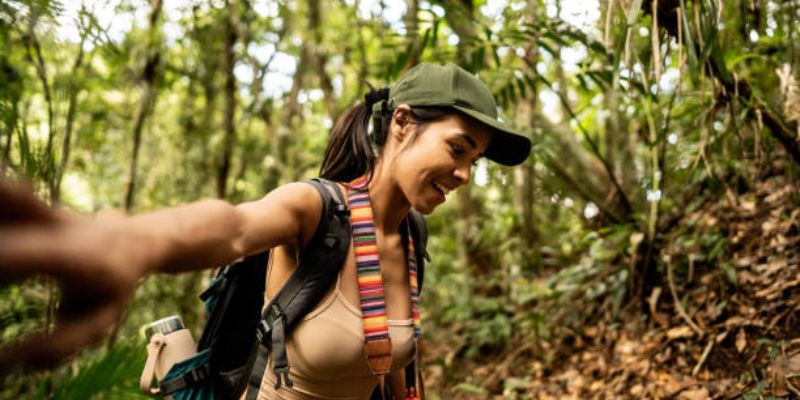
Jungle hiking here means hot air, high humidity, and thick plants on both sides of the path. The forests stay green all year because rain falls often. Many rainforest trails pass rivers, roots, and steep hills, so short walks can feel harder than expected. The reward is soft light under tall trees, birds calling above, and rich soil under each step.
Who This Guide Helps
This guide helps beginners plan their first jungle hiking trip and travelers who want simple Southeast Asia hiking days instead of extreme climbs. It also helps regular hikers who wish to test moderate rainforest trails before trying longer jungle trekking routes in remote parks.
Essential Things To Know Before Choosing A Trail
Before choosing from the best jungle hiking trails in Southeast Asia, hikers should check the season, daily rain chances, and park rules. Some parks need permits, and a few trails only allow guided groups. The fitness level needed changes by route, so it helps to match walking time and slope to personal comfort instead of just the view on social media.
Best Jungle Hiking Trails In Southeast Asia
Taman Negara, Malaysia
Taman Negara holds one of the oldest rainforest systems on Earth, with canopy walks, river paths, and hill routes that suit many skill levels. Short rainforest trails near the main entrance give beginners simple loops, while longer tracks head deep into quiet forest. Multi-day jungle trekking here can include river crossings, wildlife hides, and very muddy paths after heavy rain, so guides and solid shoes are important.
Many hikers study detailed jungle maps before visiting areas like this, because tight corners, thick trees, and sudden storms can hide landmarks quickly on longer routes.
Khao Sok National Park, Thailand
Khao Sok is a famous stop for Southeast Asia hiking fans who want lakes, limestone cliffs, and dense forest in one place. Easy paths run near the visitor area, while deeper rainforest trails head toward waterfalls and rivers. Some jungle hiking routes link to floating raft houses on the lake, so hikers can rest on the water after a long day. In the wet season, leeches and slick rocks make careful pacing more important.
Bukit Timah Nature Reserve, Singapore
Bukit Timah is a small but steep hill wrapped in forest, perfect for beginners who want short rainforest trails close to a city. Most paths are paved or clearly marked, so navigation stays simple. These routes help new hikers test jungle trekking in a safe setting before flying to larger parks. The climb is short but humid, so early morning is often the best time to walk.
Danum Valley Conservation Area, Borneo
Danum Valley is a remote zone filled with rare animals, tall trees, and very thick forest. Jungle hiking here often means guided walks, canopy platforms, and night outings to spot wildlife. Some rainforest trails are short and gentle, while others run for hours across roots, streams, and slopes. Because the area is so rich in life, many studies and climate data, and forest zones focus on places with similar ecosystems.
Mount Apo Rainforest Trails, Philippines
Mount Apo gives a mix of jungle trekking and high-mountain views. The lower section runs through dense forest, while higher points open into rocky ground and cooler air. Popular paths such as Kidapawan and Kapatagan usually take more than one day, so campers rest at simple sites along the route. These Southeast Asia hiking routes demand strong legs, steady balance, and comfortable walking with a pack for long hours.
Choosing The Right Jungle Trail For Your Skill Level
Easy Trails For Beginners
Easy jungle hiking options stay short and clear, with mild slopes and firm surfaces. Bukit Timah and the shortest rainforest trails in Taman Negara are good examples, because they keep most roots and deep mud sections away from new hikers. These routes let visitors feel the heat, sounds, and smells of the forest without the stress of long jungle trekking days.
Moderate Trails For Regular Hikers
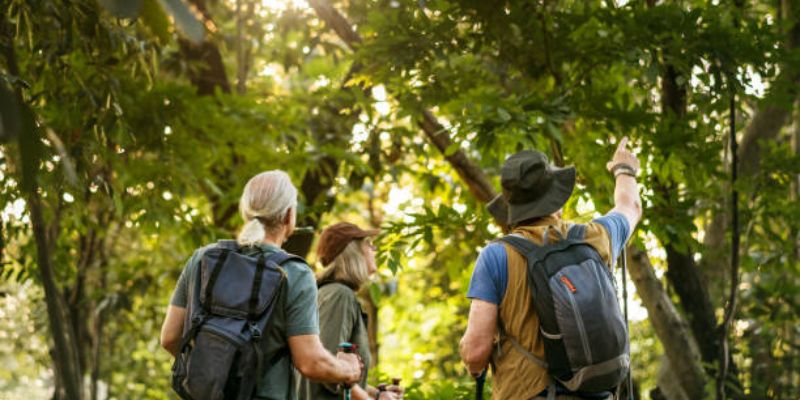
Moderate Southeast Asia hiking routes, such as longer paths around Khao Sok and mid-length walks inside Taman Negara, add more distance and height. Hikers may cross streams, climb many steps, and move over loose ground. These rainforest trails work well for people used to weekend hikes who still want clear paths and the option to join guided groups instead of fully remote jungle trekking.
Challenging Trails For Adventure Hikers
Challenging trails include multi-day jungle trekking in Danum Valley, long climbs on Mount Apo, and remote Taman Negara routes that pass deep wildlife zones. These best jungle hiking trails in Southeast Asia demand good gear, fitness, and strong navigation support. They suit hikers who already feel calm in thick forest and who understand how fast weather and trail conditions can change.
Safety And Preparation Tips For Jungle Hiking
What To Pack For Jungle Conditions
Safe jungle hiking starts with light, fast-drying clothing, a wide-brim hat, and strong trail shoes with good grip. Many hikers add insect care, basic bandages, and water filters. Handy tools such as headlamps and simple emergency blankets take little space but help a lot if a Southeast Asia hiking day runs longer than planned because of storms or slow group speed.
Understanding Weather Patterns
Across the region, heavy rain can arrive in minutes, turning easy rainforest trails into slick ground. Monsoon periods differ between countries, so checking maps and recent world heritage rainforests helps explain why some parks close certain paths at times. Humid air also raises the feeling of heat, so slow pacing and regular water breaks are key during jungle trekking days.
Health And Safety Essentials
Heat stress, dehydration, and slips are the most common risks on the best jungle hiking trails in Southeast Asia. Clear steps, such as drinking often, eating small salty snacks, and using hiking poles on steep slopes, lower the risk. Guided jungle hiking tours give extra safety because leaders know which rainforest trails flood first and when wildlife becomes active near paths.
Local Rules, Permits, And Environmental Care
Trail Permits And Entry Fees
Many national parks use permit systems to manage visitor numbers. These small fees fund rangers, path repairs, and safety signs. On some jungle trekking routes, hikers must sign in before starting and report out when finished, which helps staff respond faster if the weather shifts or someone goes missing.
Responsible Hiking Practices
Staying on marked rainforest trails protects plant roots and reduces erosion. Quiet voices keep wildlife calmer and improve the chance of seeing birds or monkeys. Trash should stay packed until proper bins are found outside the park. These simple habits keep jungle hiking areas clean for future Southeast Asia hiking trips.
How Tourism Supports Conservation
Money from entry tickets, local guides, and guesthouses near parks gives communities reasons to protect forests instead of clearing them. Many conservation projects track wildlife numbers and forest health based on data collected inside zones that host some of the best jungle hiking trails in Southeast Asia.
Travel Planning Tips For Southeast Asia Jungle Trips
Best Months To Visit Each Region
In much of Malaysia and Thailand, the most stable months for jungle hiking are outside the heaviest monsoon weeks, when paths dry faster, and river levels stay lower. Singapore and parts of the Philippines also see clearer Southeast Asia hiking days during their drier seasons. Checking local weather records before booking flights makes it easier to match big jungle trekking plans with mild skies.
Getting Around Safely
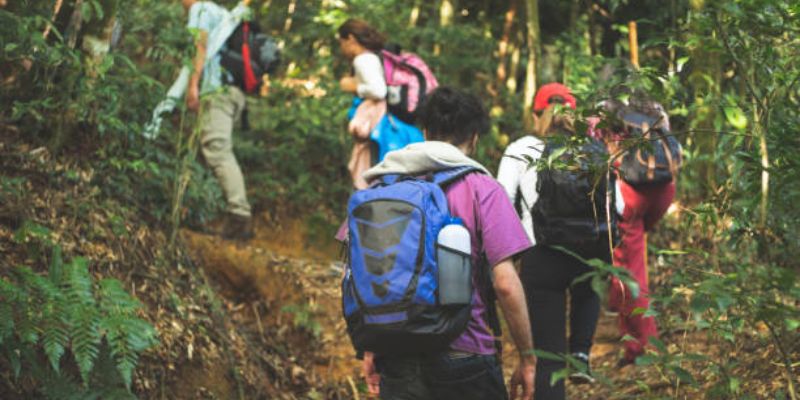
Reaching many rainforest trails means riding buses, shared vans, or boats from major towns. Travel time can be longer after storms, when roads flood, or branches fall. Building a spare day into the plan keeps stress low if a bus runs late or a ferry needs to wait for calmer water near popular jungle hiking areas.
Budget Planning For Jungle Hiking Trips
Total costs include park permits, guide fees, lodging, and transport to and from trailheads. Gear rental, such as trekking poles or rain jackets, can also add to the bill. Planning for small extras, such as laundry after muddy rainforest trails and snacks for long jungle trekking days, helps keep the budget realistic and avoids surprises.
Why The Best Jungle Hiking Trails In Southeast Asia Are Worth The Trip
The best jungle hiking trails in Southeast Asia bring together bright birds, tall trees, river sounds, and thick green light that many visitors remember for years. Gentle rainforest trails support beginners who just want a few hours under the canopy, while tougher jungle trekking routes test experienced hikers on long climbs and remote paths. With smart timing, good gear, and respect for local rules, Southeast Asia hiking trips can feel safe, rich in learning, and deeply rewarding.
These forests also play a major role in global climate and wildlife health, so each careful visit supports both local jobs and wider conservation work. For any traveler seeking warm air, living landscapes, and steady adventure, the best jungle hiking trails in Southeast Asia remain one of the strongest choices.
Sources
Related Posts
Outdoor Gear
Best Insulated Outerwear for Cold Weather and Outdoor Use
Outdoor Gear
How to Choose the Best Water Bottles for Hiking and Travel

Outdoor Gear
Hiking Tech Safety Gear: Top Smart Devices Reviewed

Outdoor Gear
Waterproof Hiking Boots With Latest Tech (2026 Picks)
Guides and Tips
Sunscreen While Hiking: The Right Way to Protect Your Skin Outdoors

Destinations