How To Protect Yourself From Insects On Trails And Avoid Painful Bites
Author:Mike Fakunle
|
Released:October 8, 2025
Protect yourself from insects on trails before bites ruin a hike. Insects are common on trails and often target exposed skin, sweat, and slow-moving hikers.
Many hikers worry about itching, stings, or hidden ticks after a walk. Knowing how insects behave and how to prepare makes trails safer and more enjoyable without stress or discomfort.
Why Insects Are A Real Problem On Trails
Trails pass through forests, grasslands, and wetlands where insects live and feed. When people walk through these spaces, insects see warmth, scent, and movement as signals. This increases bites and stings, especially during warm months.
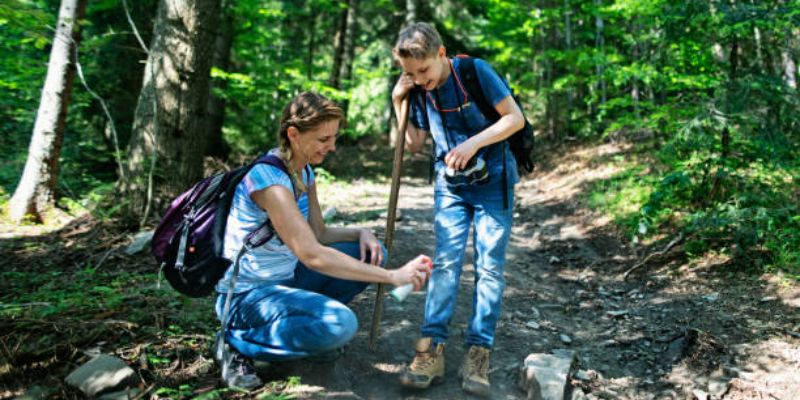
Some insects only cause itching, while others spread illness or trigger allergic reactions. Protect yourself from insects on trails by understanding risks before stepping outside.
Common Insects Encountered On Trails And Why They Matter
Mosquitoes And Biting Flies
Mosquitoes and biting flies gather near water, shade, and humid areas. They are most active during early morning and evening. Their bites cause itching and swelling, and repeated bites can distract hikers and lead to skin infections from scratching.
These insects are drawn to sweat and exposed skin. Protect yourself from insects on trails by limiting access to these attractants.
Ticks And Mites
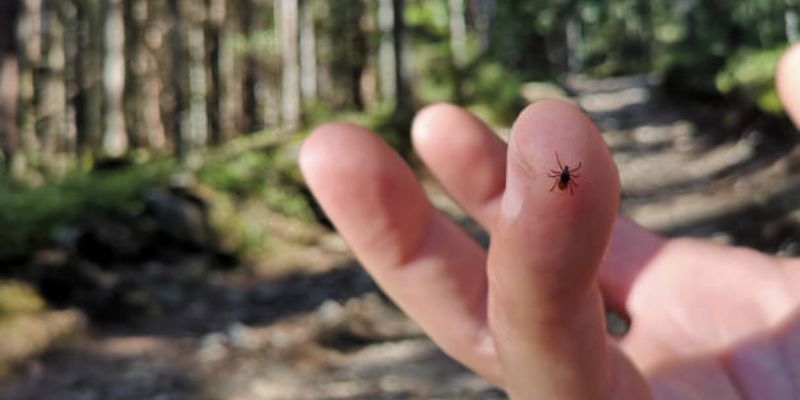
Ticks attach quietly and often go unnoticed for hours. They prefer warm, hidden areas such as behind knees, under waistbands, and along sock lines. Some ticks can transmit serious illnesses if not removed quickly.
Reducing tick exposure is one of the most important steps to protect yourself from insects on trails, especially in grassy or wooded areas.
Ants, Bees, And Wasps
Ants bite when disturbed, while bees and wasps sting when they feel threatened. These insects are often found near logs, flowers, and food scraps. Stings can be painful and dangerous for people with allergies.
Knowing where these insects gather helps hikers stay alert and avoid sudden encounters.
How To Protect Yourself From Insects On Trails Before You Go
Choosing The Right Clothing For Insect Protection
Long sleeves and long pants create a physical barrier against bites. Lightweight fabrics help prevent overheating while covering skin. Light-colored clothing makes it easier to spot ticks before they attach.
Tucking pants into socks reduces access points. Clothing choice plays a major role when you protect yourself from insects on trails.
Using Insect Repellent Correctly
Insect repellent works by masking scents that attract insects. Apply it to exposed skin and clothing edges such as cuffs and collars. Avoid hands and eyes, especially when eating.
Different repellents last for different lengths of time. Reapply based on sweat, weather, and hiking duration to maintain protection.
Packing Insect Protection Essentials
Carry extra repellent, wet wipes, and a small mirror for checks. A basic first-aid item for bites or stings can reduce swelling and discomfort. Packing smart helps protect yourself from insects on trails without extra weight.

How To Protect Yourself From Insects On Trails While Hiking
Staying On The Trail And Avoiding High-Risk Areas
Tall grass, dense bushes, and damp ground increase insect contact. Staying centered on the trail limits exposure. Sitting directly on logs or the ground raises the risk of ticks and ants.
Open and dry areas usually have fewer insects, making them safer places to rest.
Smart Hiking Habits That Reduce Bites
A steady pace reduces hovering insects. Managing sweat by taking shaded breaks helps limit attraction. Keeping food sealed prevents ants and flies from gathering.
These habits make it easier to protect yourself from insects on trails without constant effort.
How To Check Your Body During Breaks
Quick checks during breaks catch insects early. Focus on ankles, legs, waist, and neck. Removing insects right away lowers bite risk and skin irritation.
Early checks are one of the simplest ways to protect yourself from insects on trails.
How To Protect Yourself From Insects On Trails After The Hike
Proper Tick And Insect Checks At Home
Inspect skin under good lighting after hiking. Showering helps wash off insects before they attach. Clothes should be removed carefully and washed promptly.
Public health research shared through outdoor safety education emphasizes early removal as a key prevention step.
Treating Bites, Stings, And Skin Reactions
Most bites cause redness and itching that fades in days. Cleaning the area reduces infection risk. Swelling that spreads or breathing trouble needs medical care.
Special Insect Protection Tips For Different Trail Environments
Forest And Wooded Trails
Forests have high tick and mosquito activity due to shade and moisture. Extra coverage and frequent checks are important. Staying alert near leaf litter reduces exposure.
Wetlands, Rivers, And Coastal Trails
Water attracts biting insects in large numbers. Stronger repellents and protective clothing help in these areas. Timing hikes during cooler hours reduces contact.
Desert And Dry Climate Trails
Dry trails may seem insect-free, but ants and flies are common. Staying hydrated and avoiding shaded rock crevices limits encounters. Even dry environments require planning.
Mistakes That Increase Insect Bites On Trails
Skipping repellent, wearing shorts, or sitting in the grass increases bite risk. Applying repellent only once for long hikes reduces effectiveness. Ignoring body checks allows insects to attach unnoticed.
Avoiding these mistakes helps protect yourself from insects on trails consistently.
How To Protect Yourself From Insects On Trails Without Overdoing It
Protection should feel comfortable, not restrictive. Lightweight clothing, smart timing, and simple habits work better than excessive products. Overusing chemicals or heavy gear can reduce enjoyment.
Balanced preparation keeps hikes safe and pleasant.
How To Protect Yourself From Insects On Trails And Hike With Confidence
Protect yourself from insects on trails by preparing before, staying alert during, and checking after each hike. Understanding insect behavior and using simple prevention methods lowers risk and stress.
With the right approach, trails remain peaceful places to explore without constant worry.
Sources
Related Posts

Outdoor Gear
Outdoor Hiking in Winter: How to Pick the Right Insulated Jacket
Outdoor Gear
Gaiters For Hiking: When You Actually Need Them and How to Choose

Destinations
Most Scenic Hikes Near Tokyo for Nature Lovers

Destinations
Best Mountain Hikes in New Zealand for First-Time Visitors

Activities
How To Make Hiking More Enjoyable For Beginners In 10 Simple Ways
Destinations