Tips For Hiking With A Dog Safely: 17 Smart Rules Every Owner Should Follow
Author:Mike Fakunle
|
Released:October 3, 2025
Tips for hiking with a dog safely matter more than most people expect. Many dogs love the outdoors, but trails bring risks that sidewalks never do. Uneven ground, wildlife, weather shifts, and long distances can turn a fun hike into a problem without planning.
Hiking with dogs can be safe and enjoyable when preparation matches the dog’s ability. The right trail choice, proper gear, and clear behavior rules help protect paws, joints, and overall health while keeping other hikers comfortable.
Why Hiking With A Dog Safely Requires Extra Planning
Hiking with a dog safely is different from walking alone. Dogs cannot speak up when tired or injured. Many injuries happen because owners assume dogs can push through pain or heat.

Trail hazards such as sharp rocks, steep drops, wildlife, and limited water access increase risk. Careful planning reduces emergencies and makes dog hiking safety more predictable and controlled.
Is Your Dog Ready For Hiking Safely With A Dog Safely
Age, Breed, And Health Factors
Young puppies have developing bones that should not handle long distances. Senior dogs may struggle with joint stress and balance. Short-nosed breeds can overheat faster due to restricted airflow.
A routine vet visit helps confirm whether hiking with dogs is safe for that dog’s age and health. Weight, heart health, and breathing capacity all matter.
Fitness Level And Experience
Dogs used to short walks may tire quickly on trails. Hiking with a dog safely means building endurance gradually. Flat dirt paths are better starters than steep or rocky routes.
Signs of readiness include steady pacing, relaxed breathing, and quick recovery after walks. Fatigue early in a hike suggests the trail is too demanding.
Choosing The Right Trail When Hiking With A Dog Safely
Trail Length, Terrain, And Elevation
Long distances and elevation gain increase strain on joints and paws. Rocky terrain can cut pads and cause limping. Hiking trails with dogs should match the dog’s size and conditioning.
Gentle grades and packed dirt reduce injury risk and improve comfort during longer outings.
Weather, Season, And Time Of Day
Hot weather increases overheating risk. Cold weather can cause muscle stiffness or paw cracking. Early morning or late afternoon hikes are safer in warm seasons.
Ground temperature matters more than air temperature. Asphalt and rocks can burn paw pads even on mild days.
Leash Rules And Access
Some hiking trails with dogs require leashes to protect wildlife and other visitors. Off-leash dogs are more likely to chase animals or approach strangers.
Many public lands publish dog access rules through platforms connected to national park management at trail access policies, which helps avoid fines or conflicts.
Essential Gear For Hiking With A Dog Safely
Leashes, Harnesses, And Identification
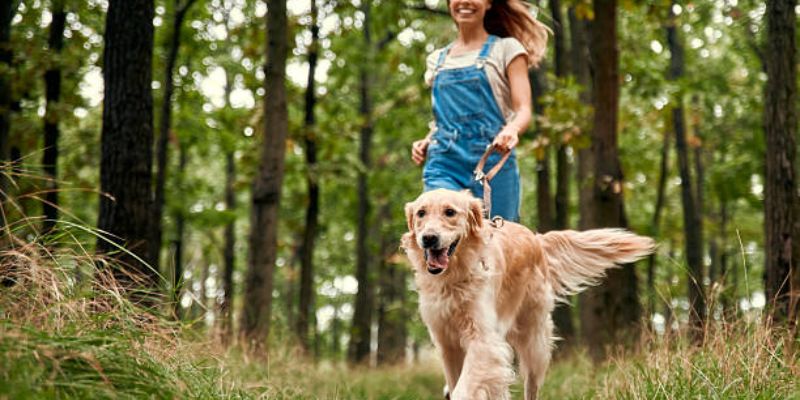
A harness reduces neck strain and improves control on uneven ground. Hands-free leashes allow better balance on steep sections. Identification tags and microchips increase recovery chances if separation occurs.
Dog hiking safety improves when control equipment fits properly and stays secure during movement.
Water, Food, And Portable Bowls
Dogs need water more often than humans while hiking. Dehydration causes weakness and overheating. Small, frequent drinks work better than long gaps.
Portable bowls and collapsible containers make hydration easier. Many owners underestimate water needs during hiking with dogs.
Paw Protection And First Aid
Sharp rocks, ice, and debris damage paws. Booties help on rough terrain. A basic first-aid kit should include antiseptic wipes and bandage wrap.
Common trail injuries include torn pads and sprains. Preparation reduces panic if something happens.
Trail Behavior While Hiking With A Dog Safely
Leash Control On Busy Trails
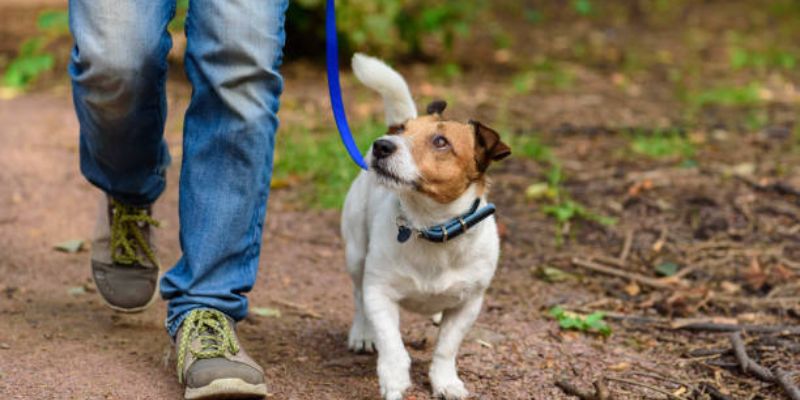
Passing hikers, runners, and cyclists requires calm leash handling. Sudden lunges can cause falls. Keeping the dog close prevents tripping hazards.
Good leash manners support dog hiking safety and reduce stress for everyone sharing the trail.
Wildlife And Dog Encounters
Dogs may chase animals out of instinct. Snakes, porcupines, and larger mammals pose serious threats. Controlled movement limits dangerous curiosity.
Guidance on avoiding animal conflicts during outdoor activity is widely shared through educational resources connected to animal safety standards.
Hydration, Rest, And Heat Management
Recognizing Heat Stress
Excessive panting, slowing down, drooling, or dark gums signal overheating. Hiking with a dog safely requires stopping early, not pushing forward.
Cooling with shade and water prevents escalation into heat stroke.
Planning Breaks
Dogs need rest breaks more often than humans. Shade and cool ground help recovery. Frequent pauses improve endurance and mood.
Short stops reduce injury risk and support long-term enjoyment of hiking with dogs.
What To Do If Problems Happen On The Trail
Handling Injuries Or Limping
If a dog limps or refuses to walk, stopping is critical. Continuing can worsen injuries. Carrying the dog may be safer than walking out.
Basic injury awareness is part of responsible dog hiking tips and prevents permanent damage.
Lost Dog Situations
Even trained dogs can get disoriented. Staying calm, retracing steps, and calling clearly increase recovery chances. Preparation reduces risk.
Many recovery strategies align with safety education promoted through trusted canine organizations, such as responsible dog ownership.
Trail Etiquette And Responsible Dog Hiking
Respecting Other Trail Users
Not everyone is comfortable around dogs. Keeping space, preventing jumping, and managing barking show respect.
Responsible behavior strengthens acceptance of hiking trails with dogs.
Leave No Trace With Dogs
Waste should be packed out. Digging and chasing wildlife damages fragile environments. Respecting nature keeps trails open to dogs long-term.
Good habits protect access for future hikers.
Tips For Hiking With A Dog Safely For Beginners
Start with short, easy trails. Practice recall and leash skills before hiking. Observe behavior closely and adjust plans as needed.
These dog hiking tips help beginners build confidence without overwhelming the dog.
Making Hiking With A Dog Safely A Lifelong Habit
Hiking with a dog safely evolves as dogs age. Distances shorten, terrain softens, and pace slows. Regular health checks guide adjustments.
Maintaining comfort and safety keeps hiking enjoyable and sustainable for years.
Sources
Related Posts
Outdoor Gear
Best Hammocks for Camping, Backpacking, and Relaxing Outdoors
Outdoor Gear
Hiking Sock Materials Compared: Merino Wool Vs Synthetic Blends

Destinations
10 Hidden Hiking Gems in Italy Most Tourists Don’t Know
Guides and Tips
Best Hiking Boots for Beginners in 2026: Simple Choices That Work

Destinations
10 Underrated Hiking Trails in the Pacific Northwest That Most People Miss

Guides and Tips