How To Handle Altitude Sickness On Mountain Hikes Without Ruining Your Trip
Author:Mike Fakunle
|
Released:October 3, 2025
Altitude sickness can turn an exciting hike into a stressful experience if it is not handled early. Many people search for how to handle altitude sickness on mountain hikes because symptoms can appear fast and feel confusing. Knowing what happens and what to do makes high places safer and more enjoyable.
Mountain hikes often climb higher than the body is used to. Less oxygen, dry air, and physical effort work together. This combination explains why altitude sickness appears even in strong and active hikers.
Why Altitude Sickness Happens During Mountain Hikes
How Reduced Oxygen Levels Affect The Body
As elevation increases, oxygen pressure drops. The lungs take in less oxygen with each breath. The body reacts by breathing faster and increasing heart rate. When this adjustment is too slow, altitude sickness begins to develop during mountain hiking.
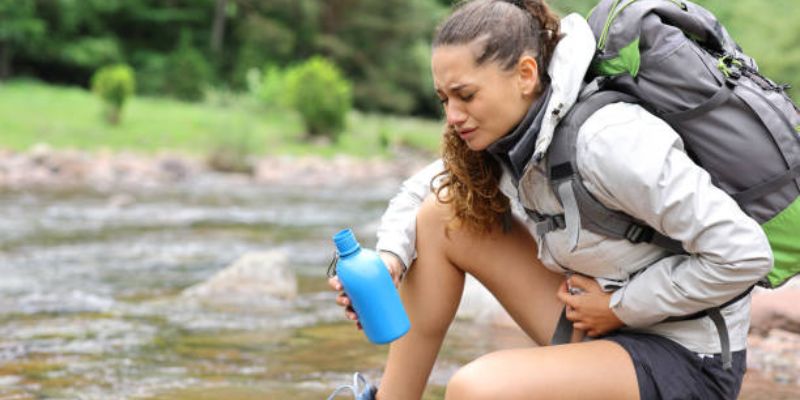
Why Symptoms Often Appear After 2,500 Meters
Many people feel fine below this height. Above it, the body must work harder to adapt. Headaches, fatigue, and nausea can appear within hours. This is why altitude sickness prevention becomes important before reaching higher sections of mountain trails.
Why Fitness Does Not Protect Against Altitude Sickness
Strong lungs and muscles help with effort, not oxygen availability. Even trained athletes experience altitude sickness. Genetics, ascent speed, and hydration matter more than fitness level when hiking at altitude.
Early Warning Signs Of Altitude Sickness Every Hiker Should Know
Mild Symptoms That Are Often Ignored
A dull headache, light nausea, poor sleep, or dizziness are common early signs. These mild symptoms of altitude sickness are easy to dismiss, but ignoring them can allow the condition to worsen quickly on mountain hikes.
Moderate Symptoms That Mean You Should Stop Ascending
Worsening headache, vomiting, loss of appetite, and unusual fatigue signal that the body is struggling. At this stage, continuing upward increases risk and delays recovery from altitude sickness.
Severe Symptoms That Require Immediate Descent
Confusion, trouble walking straight, chest tightness, and shortness of breath at rest are dangerous. These signs mean altitude sickness has become severe and requires immediate descent to a lower elevation.
How To Handle Altitude Sickness On Mountain Hikes When Symptoms Start
Why Stopping And Resting Is The First Response
The first step in how to handle altitude sickness on mountain hikes is to stop all ascent. Rest allows the body to catch up. Many mild symptoms improve within hours when elevation gain pauses.
When And How Much To Descend To Feel Relief
If symptoms do not improve or worsen, descending 300 to 600 meters often brings relief. Even small drops in elevation increase oxygen availability and reduce altitude sickness symptoms quickly.
Hydration, Food, And Breathing Adjustments That Help Quickly
Frequent water intake helps circulation and oxygen delivery. Simple carbohydrates support energy needs. Slow, deep breathing improves oxygen use. These steps support recovery during mountain hiking.
How To Prevent Altitude Sickness Before And During A Hike
Smart Acclimatization Schedules That Actually Work
Gradual exposure is key to altitude sickness prevention. Spending extra nights at moderate elevations helps the body adapt. Many experienced hikers follow the “climb high, sleep low” approach.
Safe Ascent Rates For Multi-Day And Single-Day Hikes
Above 3,000 meters, increasing sleeping elevation by no more than 300 to 500 meters per day lowers risk. Rest days every few days improve acclimatization and reduce altitude sickness.
Why Hydration And Salt Balance Matter At High Altitude
Dry air increases fluid loss through breathing. Sodium helps maintain fluid balance. Balanced meals and regular drinking lower headache and fatigue linked to altitude sickness.
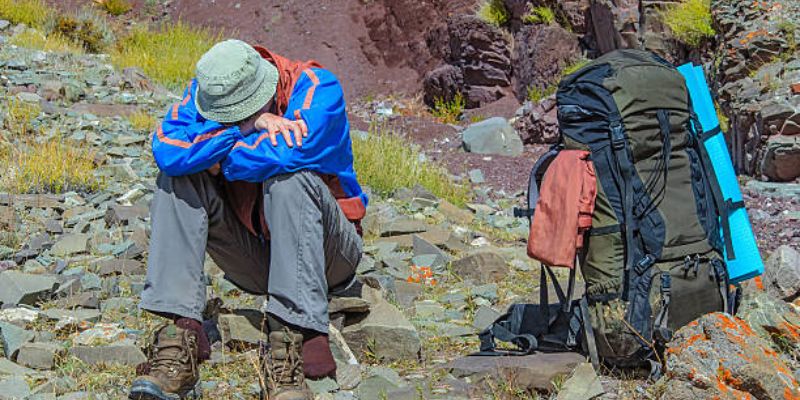
How Sleep Altitude Affects Symptoms Overnight
Symptoms often worsen at night. Sleeping too high too soon strains adaptation. Lower sleeping elevations help reduce nighttime headaches and improve recovery during mountain hikes.
Medication And Supplements For Altitude Sickness
How Acetazolamide Works And When It Is Appropriate
Acetazolamide speeds up acclimatization by helping the body breathe more efficiently. Many doctors recommend it for people with a history of altitude sickness or rapid ascent plans, based on guidance widely used in high-altitude medicine found across research summarized on altitude-related health information.
Pain Relievers That Are Safe Versus Ones To Avoid
Ibuprofen or acetaminophen can reduce headache discomfort. Sleeping pills and alcohol worsen breathing during sleep and should be avoided at altitude to reduce altitude sickness risk.
Why Herbal Remedies Are Unreliable At High Altitude
Many supplements lack evidence. Their effects vary widely and may give false confidence. Relying on acclimatization and descent remains the safest approach during mountain hiking.
When Altitude Sickness Becomes Dangerous
High Altitude Pulmonary Edema And Why It Is Life-Threatening
Fluid can build up in the lungs, causing coughing, breathlessness, and weakness. This condition worsens quickly and needs rapid descent and medical care. Information commonly used by emergency responders aligns with high-altitude illness principles shared through emergency preparedness guidance.
High Altitude Cerebral Edema And How It Develops
Brain swelling leads to confusion, loss of coordination, and severe headache. This form of altitude sickness is rare but deadly without quick descent and treatment.
Clear Signs That Emergency Evacuation Is Needed
Inability to walk, worsening breathing at rest, or mental changes signal immediate danger. Evacuation should not be delayed when these symptoms appear on mountain hikes.
What To Do If A Hiking Partner Gets Altitude Sickness
How To Monitor Symptoms Without Medical Equipment
Observe walking balance, speech clarity, breathing rate, and alertness. Changes over time matter more than a single symptom when assessing altitude sickness severity.
When To Make Group Decisions About Turning Back
Group safety outweighs summit goals. Turning back early prevents emergencies. Mountains remain, but health may not if altitude sickness is ignored.
Why Leaving Someone Alone Is Never Safe
Symptoms can worsen suddenly. Staying together ensures help is available if confusion or collapse occurs during mountain hiking.
How Altitude Sickness Affects Different Types Of Mountain Hikes
Day Hikes Versus Multi-Day Trekking Routes
Day hikes often involve rapid ascent and descent, increasing symptom risk. Multi-day routes allow better acclimatization but still require careful planning for altitude sickness prevention.
High Peaks Versus Gradual Mountain Trails
Steep climbs stress the body faster. Gradual trials give time to adapt. Route choice plays a large role in managing altitude sickness on mountain hikes.
Why Cold Weather Can Make Symptoms Feel Worse
Cold increases energy use and fluid loss. Dehydration and fatigue intensify altitude sickness symptoms, making weather awareness important.
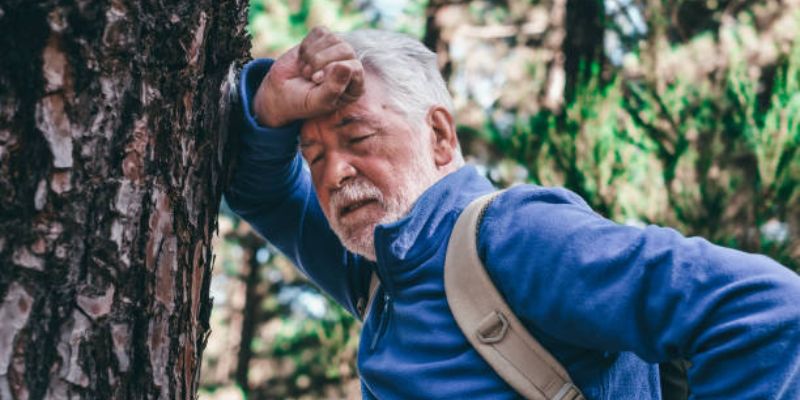
Common Mistakes That Make Altitude Sickness Worse
Ascending Too Fast To Push Through Symptoms
Ignoring warning signs delays recovery and increases danger. Slowing down or descending is safer than pushing forward.
Drinking Alcohol Or Using Sleeping Pills At Altitude
Both suppress breathing and worsen sleep-related symptoms. Avoiding them lowers altitude sickness risk during mountain hiking.
Ignoring Symptoms Because Others Feel Fine
Symptoms vary between people. Comparing experiences leads to poor decisions and unnecessary exposure to danger.
How To Handle Altitude Sickness On Mountain Hikes Safely And Confidently
Building A Simple Decision Rule For Ascending Or Descending
If symptoms improve with rest, staying is reasonable. If they worsen or persist, descending is the correct response. This rule guides safe decisions.
Planning Hikes With Altitude Safety In Mind
Extra days, flexible routes, and awareness of altitude sickness prevention reduce stress. Reliable planning advice often aligns with outdoor safety principles summarized across mountain travel knowledge found on mountain safety resources.
Knowing When A Mountain Will Still Be There Another Day
Choosing health over summits prevents emergencies. Understanding how to handle altitude sickness on mountain hikes allows safer adventures and long-term enjoyment of high places.
Sources
Related Posts
Activities
Why A Cheese-Tasting And Hiking Combo In The French Alps Is Trending
Outdoor Gear
Understanding Hiking Boot Ankle Support: High Top Vs Low Top Debate
Outdoor Gear
How To Pick Trekking Poles For Hiking: Length, Material, And Type Explained
Guides and Tips
Hiking Poles Guide: When Do You Actually Need Hiking Poles
Guides and Tips
How To Choose The Perfect Backpack For Long Hikes Without Pain Or Regret
Guides and Tips